Why Confidence Alone Is Not Enough to Change Your Life
Confidence is often presented as the key to success.
If you read many personal development books or listen to motivational speakers, you will hear the same message repeated again and again:
“Just be more confident.”
Confidence is described as the solution to hesitation, the answer to fear, and the gateway to opportunity. We are told that if we can only become more confident, everything else will begin to fall into place.
But in my experience, both personally and through years of working with others, confidence alone is not enough to change your life.
Confidence can help you take a step forward.
But it rarely sustains the journey.
Because confidence, by its nature, is often unstable.
It rises when things go well and disappears when things feel uncertain.
When life is moving smoothly and we receive encouragement, recognition, or positive results, confidence can appear strong. We feel capable, energised, and ready to move forward.
But when challenges arise, when results take longer than expected, or when doubt creeps in, that same confidence can quickly fade.
And when confidence fades, many people stop.
They step back. They hesitate. They begin to question themselves.
This is why relying on confidence alone is rarely enough to create lasting change.
What people truly need is something deeper.
They need self-belief.
The Difference Between Confidence and Self-Belief
Confidence and self-belief are often used as if they mean the same thing, but they are very different.
Confidence is often situational.
You might feel confident giving a presentation on a subject you know well, but not confident speaking about something unfamiliar.
You might feel confident in one area of your life and completely uncertain in another.
Confidence can fluctuate depending on circumstances, experience, and external validation.
Self-belief, however, works differently.
Self-belief is not built on a single situation or moment of success.
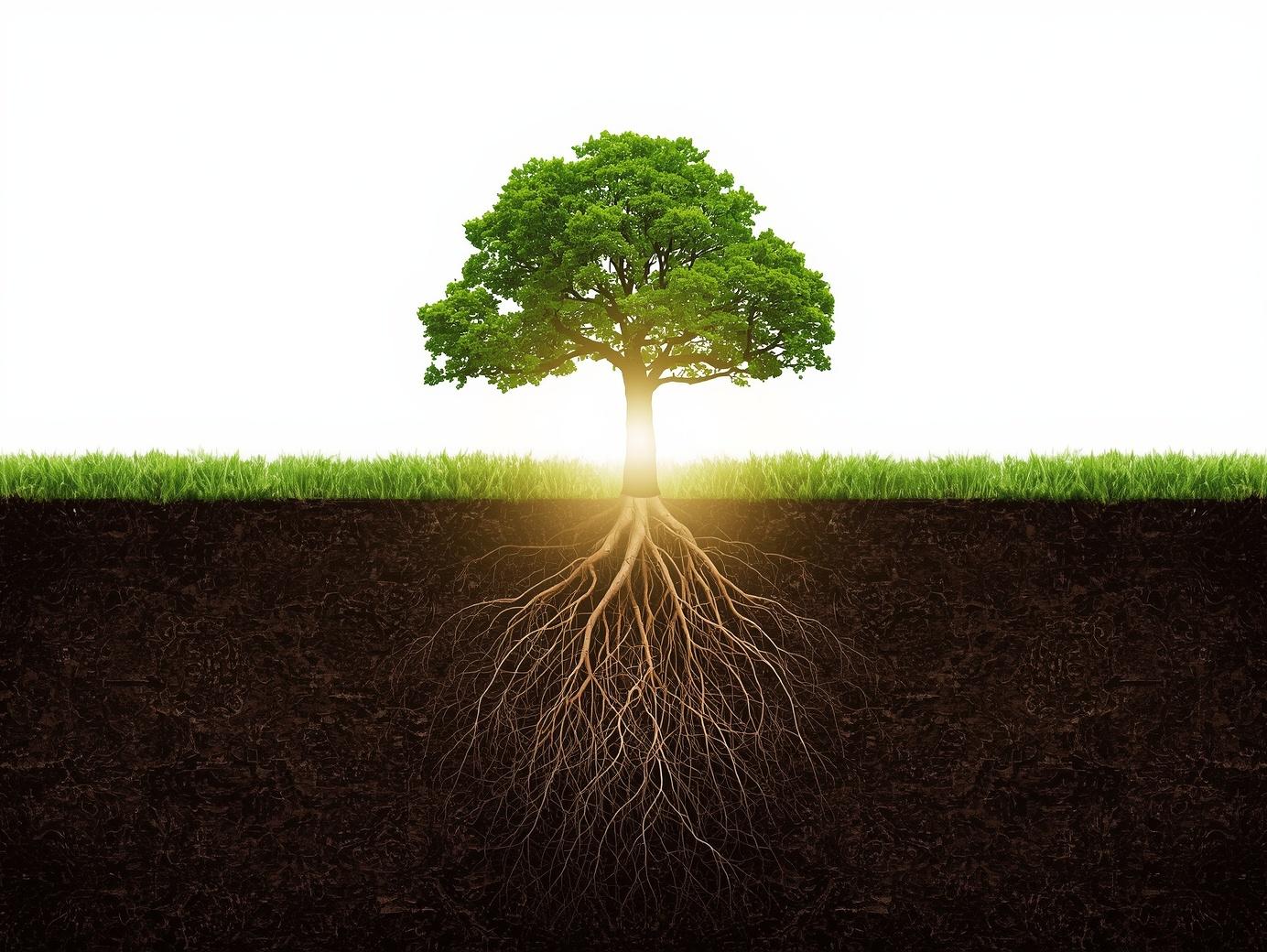
It is rooted in identity.
Self-belief is the internal knowing that you are capable of growth, capable of learning, and capable of navigating challenges as they arise.
It does not mean you always feel certain.
It means you trust yourself enough to keep moving forward even when certainty is not present.
Self-belief allows you to continue when confidence wavers.
And this is why it is far more powerful.
Why Confidence Often Fails People
Many people spend years trying to become more confident.
They attend courses, read books, listen to motivational talks, and try to build themselves up through positive thinking.
And yet, when a challenge appears, they often find themselves back where they started.
Why does this happen?
Because confidence is often built on external circumstances.
If the circumstances change, confidence can disappear with them.
For example, a person may feel confident when they receive praise from others. But if that praise stops, their confidence can quickly weaken.
Someone may feel confident when they achieve a goal. But when they face a new challenge where success is uncertain, that confidence may vanish.
Confidence built only on external validation or temporary success will always be fragile.
Self-belief, on the other hand, develops from within.
It grows through awareness, through intentional decisions, and through consistent action.
And because it is rooted in identity rather than circumstance, it becomes much more stable.
How Real Change Happens
In my work, I often talk about the way our internal world shapes the life we create.
Our thoughts influence how we feel.
Our feelings influence what we say.
Our words influence what we do.
Over time, our actions reinforce the identity we believe about ourselves.
If your internal dialogue is filled with doubt, criticism, or hesitation, those thoughts will eventually influence your behaviour.
You may delay opportunities, hold back from expressing your ideas, or question your ability to succeed.
But when your internal thinking begins to shift, your behaviour begins to shift as well.
You begin speaking differently.
You begin making different decisions.
You begin acting in ways that align with the future you want to create.
This process is not about forcing change.
It is about aligning your thinking, actions, and identity.
The Stages of Personal Transformation
Lasting change usually follows a natural progression.
It begins with awareness.
Awareness is the moment you begin to notice the patterns shaping your life. You start to recognise the beliefs that have influenced your decisions and the narratives that have guided your actions.
Many people move through life without pausing to examine these patterns.
But awareness brings clarity.
It allows you to see where your thinking may be limiting your potential.
Once awareness is present, the next stage is creation.
Creation is where you begin to make intentional choices. You start shaping new beliefs, adjusting your thinking, and taking small steps that align with the life you want to build.
As these choices continue, your world begins to expand.
Expansion is where new opportunities appear. You become more willing to speak up, pursue ideas, and trust your judgement.
Often these shifts are subtle at first, but over time they grow stronger.
Eventually, these changes reach a powerful stage: integration.
Integration is where the new beliefs and behaviours become natural. You are no longer trying to act differently.
You simply are different.
Your identity has evolved, and your actions naturally reflect that change.
Why Structure Matters
One of the reasons many people struggle to move beyond confidence into deeper self-belief is the absence of structure.
They may gain insights from books, courses, or conversations, but without a consistent environment to support their growth, those insights often fade.
Real change requires rhythm.
It requires reflection.
It requires consistent action over time.
This is why containers are so important in personal development.
A container creates a supportive environment where growth can unfold steadily rather than sporadically.
It allows people to return to the same principles regularly, deepen their understanding, and apply what they are learning in real life.
Without a container, personal development can become scattered.
With the right container, transformation becomes sustainable.
Moving Beyond Confidence
Confidence can help you begin.
But self-belief helps you continue.
Confidence may encourage you to take the first step.
Self-belief allows you to keep walking even when the path becomes uncertain.
This is why focusing only on confidence can leave people feeling stuck.
They believe they must wait until they feel confident before they act.
But the truth is often the opposite.
Action strengthens belief.
And belief strengthens identity.
When identity becomes stronger, confidence often follows naturally.
A Reflection
Before you move on, take a moment to reflect.
Where in your life have you been waiting for confidence before taking action?
And what might change if you focused instead on strengthening your self-belief?
Sometimes the shift that changes everything begins with a simple awareness.
An Invitation
This is one of the reasons I created The Crowned Year: Self-Belief Planning Circle.
It is not simply a course designed to provide information.
It is a container for growth.
A structured space where people can reflect, strengthen their mindset, and develop the self-belief required to move forward with clarity and intention.
Because real transformation does not happen in a single moment.
It develops across time.
If you are ready to move beyond waiting for confidence and begin strengthening your self-belief, I invite you to explore the Crowned Year.
Sometimes the most powerful change does not begin with confidence.
It begins with belief.